Cost-Effective Aftermarket Vehicle Components: Elevate Your Vehicle's Performance
Reasonably priced aftermarket auto parts serve as a feasible alternative for individuals desiring to boost their vehicle's power. Offering options covering from high-performance air filters to upgraded exhaust systems, these components can provide major improvements in handling and economy. Examining these parts necessitates meticulous assessment of quality and compatibility. As car enthusiasts explore these changes, they often encounter both hurdles and triumphs. The undertaking of customizing a vehicle can generate unforeseen effects that warrant deeper study.
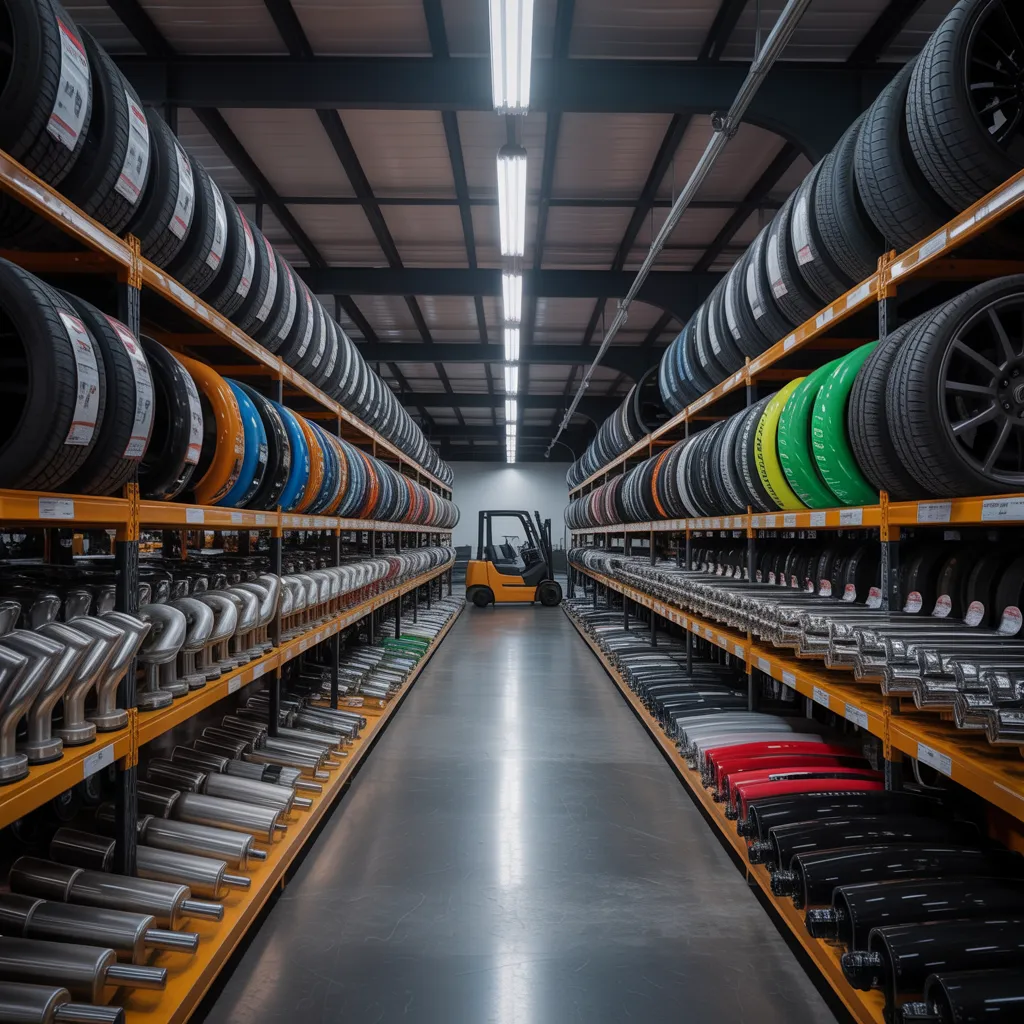
Aftermarket Auto Parts: What exactly are they?
Aftermarket auto parts are parts produced by firms other than the original equipment manufacturer (OEM). These parts function as substitutes to OEM components, often made to meet specific market demands or performance criteria. Offered for learn the facts a wide range of vehicles, aftermarket parts can include anything from brake pads and exhaust systems to entire engine assemblies.
The aftermarket industry encompasses a diverse variety of producers, spreading from small entities to large organizations, each presenting distinctive products. These components may differ in grade, cost, and performance when placed against their OEM counterparts. While many aftermarket parts are designed to enhance automotive capability or personalization, others work to present cost-effective alternatives for maintenance work. Purchasers commonly choose aftermarket parts for their stock availability, options available, and potential savings, making them a foundational dimension of the automotive industry.
Advantages of Enhancing Affordable Choices
Switching to affordable replacement auto components can significantly improve a automobile's performance and longevity, especially regarding budget constraints. These items often deliver a cost-effective substitute for OEM components while delivering equivalent standards and performance. The implementation of aftermarket options can result in superior control, superior gas mileage, and enhanced power output, making them an desirable option for economical motorists seeking capability enhancements.
Additionally, many cost-effective replacement parts are created with modern technologies, ensuring compatibility with recent vehicle types. This enables for greater customization, enabling owners to adapt their vehicles to distinct driving requirements or preferences. Moreover, accessing a broader range of products can spark development, as manufacturers frequently introduce improved materials and styles. Ultimately, opting for affordable aftermarket options not only aids vehicle improvement but also facilitates a more enjoyable driving experience without taxing financial resources.
Popular Types of Budget-Friendly Replacement Parts
Many categories of priced replacement auto parts meet assorted automotive needs and preferences. One favored category showcases power-enhancement components, which strengthen motor performance and quickness. These components, like air filters and exhaust systems, can significantly elevate a vehicle's thrust. Another necessary category is suspension parts, which impact ride quality and handling. Optimized cushioning systems and metal coils can deliver greater steadiness and relief.
Also, visual modifications, like custom wheels and body kits, allow car owners to customize their cars while commonly enhancing functionality. Light enhancements, including LED headlights and taillights, also belong to this category, improving visibility and safety. Finally, interior accessories, such as protective covers and mats, offer comfort and style. By exploring these categories, car enthusiasts can discover budget-friendly choices that meet their performance and aesthetic desires, elevating their driving experience.
Standards for Establishing Aftermarket Parts Excellence
When evaluating the quality of aftermarket auto parts, several key criteria come into play. First, material quality is crucial; premium-quality materials typically result in better durability and performance. Compatibility with the specific vehicle model is another important factor; parts should fit smoothly without requiring modifications.
Furthermore, brand standing plays a significant part; established manufacturers often offer assurance of excellence through user feedback and industry certifications. Performance testing is also critical; reputable aftermarket parts should have completed thorough evaluation to ensure they meet security and effectiveness requirements.
Finally, warranty offerings can indicate product dependability; a robust warranty reflects the producer's trust in their product. Evaluating these criteria enables consumers reach well-founded conclusions, making certain they select aftermarket parts that enhance their automobile's efficiency without compromising safety or longevity.
DIY vs. Professional Installation Recommendations?
When assessing the placement of cost-effective replacement auto components, people must first assess their level of expertise to determine if a DIY approach is feasible. Furthermore, the equipment needed for installation can greatly affect the decision between tackling the job personally or hiring expert assistance. Understanding these factors guarantees a smoother process and optimal results.
Identifying Your Ability Level
How can one assess whether to tackle an auto part installation as a DIY project or to pursue professional assistance? First, evaluating one's own technical abilities is crucial. Individuals with experience in automotive work may feel comfortable undertaking simple tasks, such as replacing air filters or brake pads. Conversely, those without experience might find intricate setups dangerous and intimidating. Analyzing the difficulty of the part is also vital; intricate systems often require specialized knowledge and tools better suited for professionals. Additionally, considering time constraints is noteworthy; DIY projects can be lengthy, while professionals can finish installations efficiently. Ultimately, weighing personal skill level against the task's demands will guide the decision between DIY and professional installation.
Tools Needed For Installation
Identifying the essential equipment for auto part fitting is critical for both DIY amateurs and experts. A foundational tool set should contain wrenches, sockets, bits, pliers, and a jack. Furthermore, dedicated tools may be necessary depending on the particular part being assembled, such as torque wrenches for accurate fittings or O2 sensor sockets for exhaust work. For DIYers, having a service guide can provide instruction on the tools required for each individual job. Professionals regularly maintain a more broad range of tools, enabling for faster and more efficient fittings. In the end, whether choosing a DIY project or engaging a specialist, ensuring the right tools are accessible can greatly affect the fitting process and overall functionality of the vehicle.
Creating a Budget for Modifications
When planning for modifications, it is vital to set clear priorities to guarantee funds are distributed effectively. Researching cost-effective options can further help enthusiasts maximize their investment while attaining wanted improvements. This approach not only safeguards finances but also enhances the overall modification experience.
Defining Explicit Priorities
Establishing clear priorities is crucial for anyone traversing the world of vehicle customization. Individuals must first identify their main objectives, whether boosting power, improving aesthetics, or increasing reliability. Each goal requires a distinct distribution of budget and materials. A comprehensive assessment of the vehicle's current condition and planned purpose can help establish which modifications will yield the most significant benefits. For instance, a performance-focused driver may prioritize motor enhancements, while another seeking visual appeal might focus on body modifications. By ordering these objectives, fans can create a organized financial plan that represents their needs and wants. This method prevents rash purchases on unneeded components and ensures that expenditures match the overall vision for the automobile.
Examining Budget-Friendly Selections
Many car lovers understand that effective budgeting is essential when looking for budget-friendly options for vehicle enhancements. A well-defined budget not only helps manage modifications but also guides the selection of aftermarket parts that enhance performance without exceeding the budget. Enthusiasts are encouraged to compare prices across different retailers, both online and in-store, to discover the best deals. Additionally, exploring ratings and forums can provide insights into the reliability and performance of specific parts, ensuring educated choices. By considering used or refurbished components, one can further stretch their budget while still achieving desired upgrades. Ultimately, a strategic approach to budgeting allows car enthusiasts to achieve their performance goals while maintaining financial stability.
Success Tales With Aftermarket Auto Parts
Aftermarket auto parts have transformed countless vehicles, providing both cost-effectiveness and performance enhancements. Many automotive enthusiasts have reported notable enhancements in their vehicles after incorporating these parts. For example, a local technician shared a story about a customer who enhanced their sedan with aftermarket suspension and exhaust systems. This modification not only boosted horsepower but also improved handling, making the car feel more responsive on the road.
A budget-conscious driver's success story featured the replacement of their factory air filter with a performance-enhanced variant. The simple change delivered enhanced gas mileage and a marked improvement in acceleration.
Moreover, a prominent online platform showcases numerous accounts from users who have effectively adjusted their vehicles using custom rims and brakes. These enhancements not only boosted functionality but also provided a unique touch to each automobile, demonstrating that aftermarket items can efficiently reconcile expense and excellence while improving comprehensive motoring experiences.
Commonly Posed Questions
Do Non-OEM Parts Qualify for Producer Warranty Coverage?
Aftermarket parts are commonly not protected by manufacturer warranty coverage. However, if they harm the car, the warranty may be cancelled. Customers should carefully review their warranty terms before installing aftermarket components.
How Do I Locate Established Aftermarket Parts Retailers?
To find dependable aftermarket parts distributors, one should explore online ratings, seek suggestions from automotive professionals, and verify certifications. Examining costs and terms can also help secure performance and durability in purchased components.
Will non-OEM Parts influence My Vehicle's resale value?
Aftermarket parts can impact a vehicle's resale value. Excellent parts may elevate value, while poor-quality options could deter buyers. Ultimately, the reputation of the parts and the vehicle's overall condition decide resale potential.
Is it Possible to Blend Aftermarket and OEM Parts?
Yes, people can combine aftermarket and OEM parts. However, interoperability, performance, and warranty consequences must be considered. Proper research is essential to guarantee that the combination satisfies safety and functionality standards for peak vehicle performance.
Do Lawful Requirements Exist for Aftermarket Modifications?
Yes, legal requirements for aftermarket modifications are present. They differ by location and may include safety standards, emissions compliance, and insurance implications. Vehicle owners should examine area regulations to guarantee modifications remain within legal boundaries.