Harnessing the Potential: A Complete Reference to VR6 Jetta Engine Performance
The VR6 engine embodies a remarkable blend of powerful performance and compact engineering. Its innovative design draws in performance enthusiasts and casual drivers alike. Given the wide range of aftermarket modifications on offer, a growing number of owners aim to enhance their vehicle's capabilities. Familiarizing oneself with critical tuning practices and typical maintenance challenges can greatly impact longevity and performance. As the topic develops, the many pathways to maximizing the VR6's capabilities will grow ever more apparent.
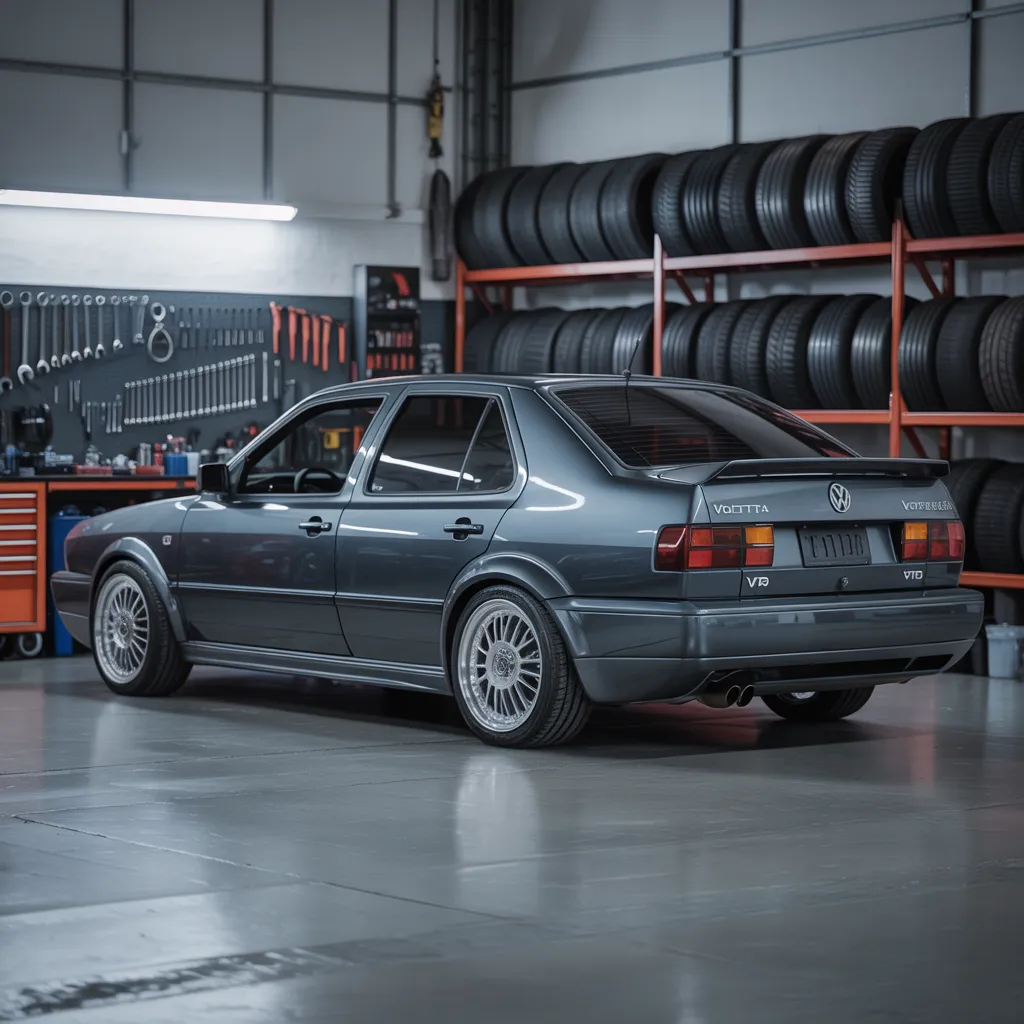
The Remarkable Engineering of the VR6 Engine
The VR6 engine stands out in automotive engineering because of its groundbreaking design that combines the characteristics of both V-type and inline layouts. This distinctive layout permits the VR6 to maintain a compact size while generating substantial power. The engine incorporates a narrow V-angle configuration, which enables a more compact engine profile when measured against traditional V engines. This reduced size allows for simpler fitment in a range of vehicle platforms, especially in the Jetta.
Furthermore, the VR6 incorporates a unified cylinder head, simplifying the design while minimizing weight. Its configuration results in smooth operation and minimal vibration, enhancing overall driving comfort. The engine routinely uses a unique firing order that generates its characteristic sound, resonating with performance enthusiasts. In summary, the VR6 engine represents exceptional engineering, striking a balance between performance, efficiency, and space-saving designs, making it a remarkable choice for many automotive applications.
Reasons to Upgrade Your VR6 Jetta
Enhancing a VR6 Jetta can substantially elevate both power and overall driving quality. Owners often desire advancements in torque, horsepower, and driving dynamics. The VR6 engine, recognized for its refined performance and distinctive engineering, offers a excellent foundation for performance modifications. Enhancements can produce measurable increases in power and torque, leading to swifter throttle response and a more dynamic driving experience.
Furthermore, upgrades can enhance the car's maneuverability and quickness, creating a more satisfying driving dynamic in a wide range of driving situations. A finely tuned VR6 Jetta can also achieve better fuel efficiency, establishing a balance between power and efficiency.
In addition, modernizing parts such as the suspension, brakes, and exhaust system can transform the vehicle's performance characteristics, delivering a more exciting driving experience. All things considered, these improvements not only elevate overall performance but also raise the automobile's value and appeal to current owners and future buyers, making these improvements a sound decision.
Essential Aftermarket Upgrades for VR6 Performance
Boosting VR6 power frequently starts with thoughtfully picked aftermarket modifications that elevate performance. Among the most effective upgrades is a enhanced-flow intake system, which facilitates increased airflow, optimizing combustion efficiency. Coupled with a upgraded exhaust system, this duo not only enhances power but also generates a more throaty sound.
Another popular modification is the fitting of a performance chip or ECU remap, which adjusts engine parameters to enhance horsepower and torque. Enhancing the ignition system with high-performance coils and spark plugs can also deliver notable improvements, promoting maximum combustion efficiency.
For those looking to enhance handling while boosting power, upgraded suspension components, like coilovers and sway bars, are critical. Additionally, lightweight wheels reduce unsprung weight, enhancing acceleration and braking performance. Together, these key mods create a balanced method of unlocking the full potential of the VR6 engine.
Fundamental Calibration Approaches for Improving VR6 Motor Efficiency
Tuning the VR6 engine demands a well-planned approach to realize its full performance potential. Key techniques include improving the air-to-fuel ratio through ECU remapping, which improves throttle response and overall power output. Replacing the air intake and exhaust systems can substantially optimize airflow, allowing the engine to breathe more freely and perform better at elevated RPM ranges.
Incorporating a performance module can optimize ignition timing and fuel delivery, improving overall performance and power output. Moreover, periodic inspection of parts including ignition coils and firing components guarantees that the motor performs optimally, avoiding power loss.
Investing in a top-tier intercooler is vital for anyone seeking to enhance forced induction setups, as it works to preserve optimal intake temperatures. Furthermore, employing a dyno for accurate tuning provides real-time corrections, ensuring that the engine operates at its best across various driving conditions. These fundamental techniques combine to elevate the VR6's power potential.
Resolving Typical Issues in VR6 Engines
In VR6 engines, timing chain tensioner failures and intake manifold problems are among the most prevalent issues observed. If left unaddressed, these issues can result in considerable performance decline and possible engine damage. Recognizing the root causes and appropriate remedies is critical for preserving optimal engine performance.
Timing Chain Tensioner Failures
Timing chain tensioner problems frequently arise in VR6 engines, causing potential performance issues and costly repairs. Such concerns often stem from deterioration or malfunction of the tensioner, which can result in improper chain tension. A deteriorating tensioner may cause the timing chain to vibrate or generate abnormal sounds, indicating that the chain may not be correctly positioned. If left unaddressed, this can lead to significant engine deterioration, including warped valves or catastrophic engine failure. Periodic evaluations and timely substitutions of the timing detailed article chain tensioner can help minimize these hazards. Owners of VR6 engines should stay vigilant for signs of tensioner issues to guarantee peak performance and longevity of their vehicles.
Intake Manifold Concerns
Intake manifold problems can substantially influence the power and efficiency of VR6 engines. Frequent concerns encompass vacuum leaks, which can cause irregular idling and reduced fuel efficiency. Moreover, the structure of the intake manifold can generate uneven airflow distribution, resulting in reduced power and poor engine performance. Over time, carbon buildup can also obstruct airflow, progressively worsening engine efficiency. Regular inspections are essential to identify these issues early. Replacing damaged or degraded components can bring back maximum performance levels. Moreover, transitioning to performance intake manifolds may optimize airflow and elevate horsepower output. Resolving these problems guarantees that the VR6 engine runs efficiently, preserving its standing as a powerful and dependable engine.
Top Maintenance Tips for Your VR6
Servicing a VR6 engine necessitates careful consideration of various essential parts to secure peak performance and longevity. Consistent oil changes are vital, with synthetic oil advised to withstand the engine's demands. Tracking coolant levels and confirming that the system remains leak-free will avoid overheating issues, a frequent problem in VR6 engines.
Furthermore, the timing chain and tensioner ought to be examined on a regular basis, as breakdowns can cause severe engine damage. Renewing the air filter periodically ensures optimal airflow and engine performance.
Checking the ignition coils and spark plugs is vital for sustaining optimal combustion efficiency. Tire pressure and alignment should not be overlooked, as these factors also influence the performance of the engine.
In addition, using a reliable fuel additive is beneficial for cleaning fuel injectors and boosting overall efficiency. By following these essential maintenance guidelines, owners can enjoy the full potential of their VR6 engines while minimizing unexpected issues.
Comparing VR6 Performance With Other Engine Types
While many engine types offer distinct advantages, the VR6 distinguishes itself for its unique combination of power and compact design. This particular engine setup offers a powerful power band, delivering impressive torque and horsepower, which elevates the driving experience in the Jetta. In contrast to inline-four engines, the VR6 generally provides more refined power delivery and a more exhilarating sound, appealing to driving enthusiasts.
In contrast to V6 engines, the VR6's narrower design provides more flexibility in vehicle layouts, resulting in better handling characteristics. Turbocharged engines, although commonly delivering greater peak output, often lack the smooth power delivery associated with the VR6, which tends to be more rewarding in everyday driving scenarios.
Ultimately, the VR6 engine finds a middle ground between capability and efficiency, making it a persuasive selection for enthusiasts desiring a dynamic driving experience without compromising on design efficiency and space.
Common Questions and Answers
What Is the History Behind the VR6 Engine Design?
The VR6 engine concept emerged in the late 1980s, introduced by Volkswagen. It brought together the strengths of a V6 and inline engine, ensuring compact dimensions while preserving smooth operation and impressive performance for a range of models.
How Does the VR6 Engine Hold Up Compared to Turbocharged Engines?
The VR6 engine offers a unique balance of strength and fluidity, generally providing a more steady power delivery as opposed to turbocharged engines, which are known to deliver power in sudden spurts, producing a distinct driving feel.
What Is the Expected Lifespan of a VR6 Engine?
The average lifespan of a VR6 engine usually spans between 150,000 and 200,000 miles, based on upkeep and road conditions. Proper care can significantly improve its longevity and overall performance durability.
Do VR6 Engines Have Any Specific Oil Recommendations?
VR6 engines are known to thrive on premium synthetic motor oils, particularly those with a viscosity rating of 0W-40 or 5W-40. Regular oil changes and adhering to manufacturer specifications guarantee peak performance and longevity for these engines.
What Are the Best Fuel Types for Optimizing VR6 Performance?
To optimize VR6 performance, premium unleaded gasoline with an octane rating of 91 or above is suggested. This fuel type enhances combustion efficiency, improving power output and overall engine responsiveness, essential for demanding driving conditions.